Deutsch
 Español
 Français
 Italiano
 Nederlands
 Português
 日本語
日本語 한국어
한국어 简体中文
简体中文 繁體中文
繁體中文


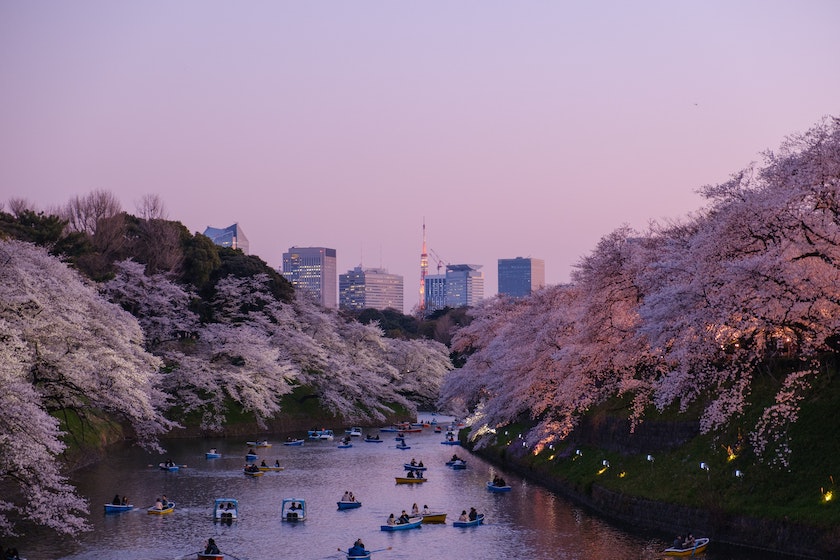
There's never been a better moment to visit Japan. Whether you've been dreaming about it for years or only recently caught the bug, the reasons to make it happen right now are more compelling than ever — and the world has clearly noticed.
Why Japan is the World's #1 Destination
The numbers tell one part of the story. Japan welcomed a record-breaking 36.9 million international visitors in 2024 — surpassing the previous record of 31.9 million set in 2019 by over 15%. Total spending by those visitors reached a historic high of approximately ¥8.1 trillion. To put that in perspective: Japan's tourism revenues now rank second only to automobile exports in the national economy, ahead of semiconductors and steel.
But statistics only go so far. What the numbers can't fully express is the quality of what's drawing those visitors in the first place. For the second year in a row, Japan was named the world's favourite travel destination by the readers of Condé Nast Traveler in their 2024 Readers' Choice Awards. Tokyo was simultaneously designated the world's number one Large City. That's a remarkable endorsement from the world's most sophisticated travel readership — and it wasn't a one-year anomaly. Japan earned the top spot in 2023 and defended it in 2024.
What Condé Nast readers understand — and what millions of first-time visitors discover for themselves — is that Japan doesn't just offer one exceptional thing. It offers everything, all at once, without compromise. And it does it with a level of service, safety, and cultural depth that is genuinely unmatched anywhere else on earth.
Why Japan Has It All
Whether you love idyllic rural landscapes or futuristic cities, ancient history or the latest innovations and technology, whether you're a sun-worshipper or love snowy mountain hideaways, Japan has something for you. Located in East Asia, Japan is a stratovolcanic archipelago — a chain of islands scattered across a body of water. In a recount conducted by the Geospatial Information Authority of Japan in February 2023 using digital mapping technology, the official island count was updated to 14,125 — more than double the figure from the previous survey.
Each island has its own unique fauna, flora, and coastal ecosystems, and a hugely diverse landscape to discover: from snowy mountains and dense forests to white-sand beaches and crystal subtropical waters. In addition to this natural wealth, some ancient Japanese towns and farms feel like stepping back in time to the historic Edo Period, and futuristic megacities as exciting and spectacular as anywhere on the planet. Not to mention world-leading food and drink, beautiful temples and shrines, traditional cultural activities and unique customs, snow sports, diving, unmissable wildlife, and much more. Japan has it all — and no list can quite do it justice.
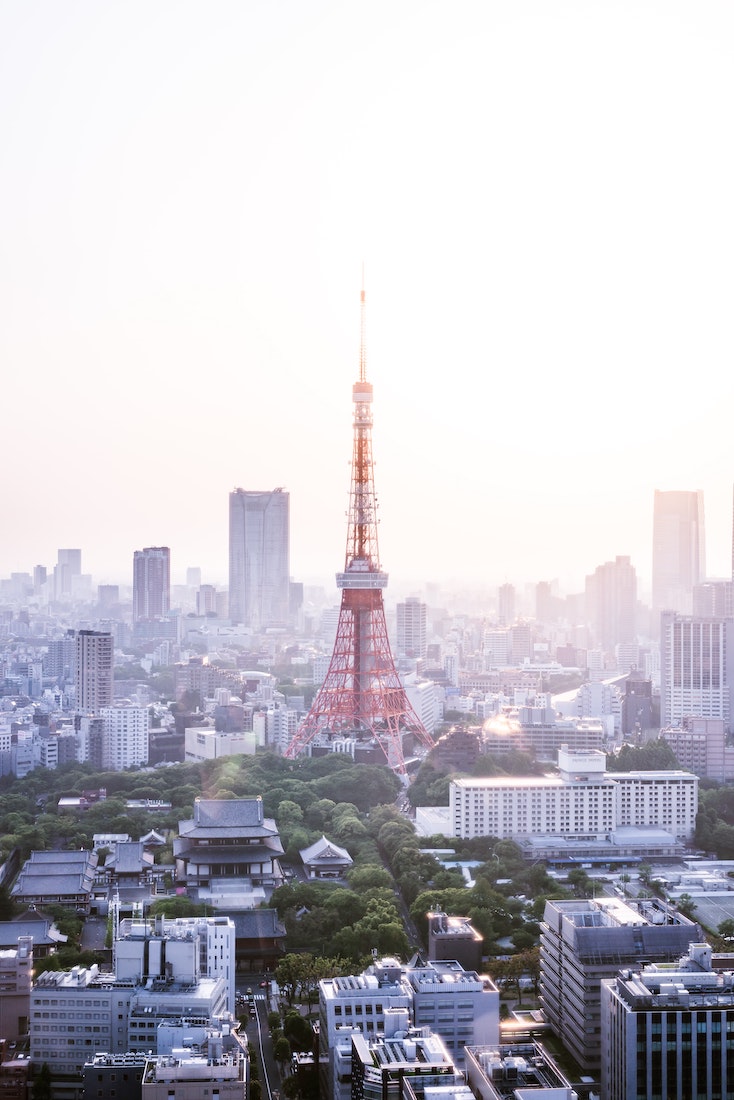
Futuristic Cities and Idyllic Countryside
When you think of Japan, you may think of vast, futuristic cities that are a visual kaleidoscope for the senses, or you may think of temples, shrines, and serene farmland. One of the amazing things about Japan is that it has the best of both worlds — and both ways of life — in one incredible country. If Tokyo is high on your list, read our ultimate guide to the Shibuya district — home to the world-famous Shibuya Scramble crossing. While there is enough to see and do in Tokyo alone to fill up a whole trip, could you go to Japan without visiting Kyoto, the cultural heart of the country with its beautiful temples and shrines? And what about Osaka, known as Japan's Kitchen, with its stylish neon and wealth of places to eat and beloved regional specialities? If seeing the country's major cities excites you, our recommended Best 7-Day Itinerary for First-Time Visitors to Japan might be for you. This excellent travel plan will take you from Tokyo to Kyoto and Osaka, before returning to the capital, over one unforgettable week.
Similarly, Japan is full of rural farmland, rice paddies, green tea plantations, coastal villages, and unspoilt countryside. Read our guide to The Most Remote Places in Japan if you're keen to get away from it all and explore off the beaten track.
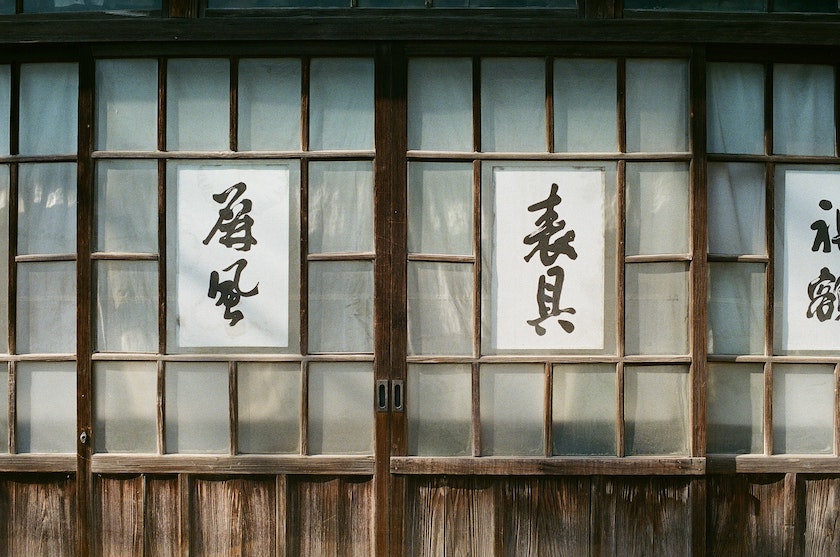
Spirituality and Relaxation
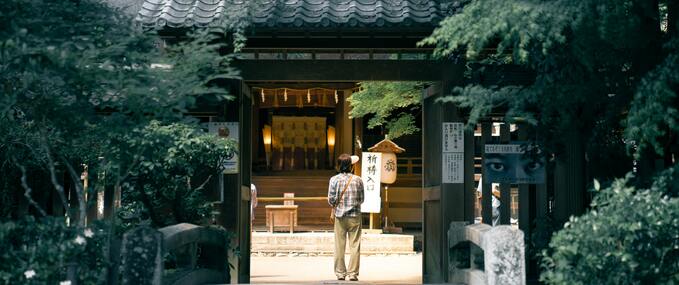
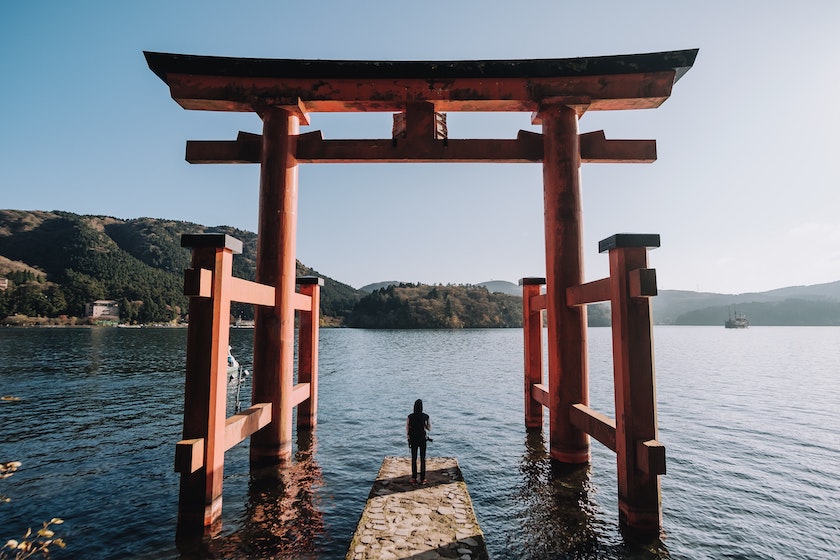
Japan is one of the most spiritual countries in the world. Guided by its Shinto and Buddhist beliefs — the two main religions in Japan — the country is filled with temples, shrines, monasteries, and iconic Torii gates. Visitors can experience these temples and shrines in most cities and towns as well as seeking out the biggest and most famous in the likes of Kyoto. It's even possible to go on a pilgrimage to some of Japan's most spiritual places — such as Koya-San, a holy mountain and the birthplace of Shingon Buddhism — and to stay in a Buddhist retreat or monastery to truly experience a simplified lifestyle. You can find out everything you need to know about Japan's spiritual history and heritage in our Spiritual Guide to Japan.
Japan is also the land that gave the world the concept of mindfulness, and a destination that delivers genuine restoration alongside its wonders. Read our guide to having a Detox in Japan to find out more.
Island Living with Sun, Sea, Beaches, Mountains, Rivers, and Forests
Few countries anywhere in the world offer such a diverse geographical landscape. One of the best ways to experience this diversity is by visiting some of Japan's National Parks. We've put together a list of some of the very best across the country, from the wild, rugged, and icy north to the subtropical, coastal south.
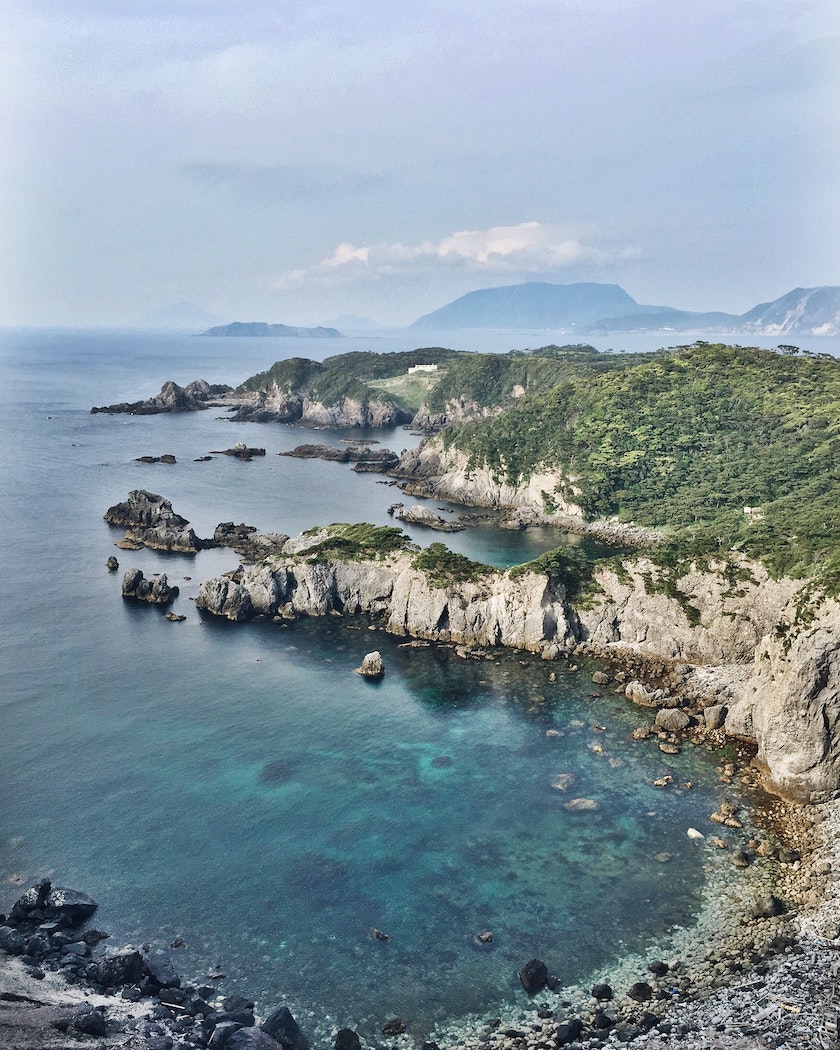
Japan's coast is a hidden gem for diving enthusiasts, and if you prefer staying dry, the islands are also ideal for cycling around, with some of the best bike routes on the planet. Check out our Deep Dive into Japan and I Want to Ride My Bicycle guides for more on these activities. Another great way to discover Japan's landscape is through hiking and climbing, and where better than Mount Fuji — one of the country's most stunning and iconic sights?
Ancient Customs and Quirky Contemporary Culture
From the Geisha of Gion district in Kyoto to Samurai towns such as Aizuwakamatsu, from ancient farms and rice paddies to spectacular feudal castles, traditional Japan is still being preserved and celebrated for visitors from around the world. If you've always found the iconography of 'old Japan' captivating, you'll be enchanted by these living remnants of the past. Check out our guide to The Top Five Most Beautiful Castles in Japan for more inspiration.
Japan's modern-day culture is just as fascinating and even more quirky. From Otaku to J-Culture, anime to cosplay, Studio Ghibli to video games, the country may well be the world-leader when it comes to unique passions and subcultures. You can read much more about this in our guide to Japan for Gamers, Otaku, and J-Culture Fans.
From the Extraordinary North to the Beautiful South
The snowy north of Japan — with its ice flows, snow festivals, winter illuminations, and ski resorts — couldn't be more different from the subtropical south with its beaches and watersports, but Japan gives you the chance to experience both. Our Five-Day Rail Itinerary to Hokkaido features an ideal ready-made travel plan for those wishing to experience the wonders of Northern Japan. Alternatively, if you're searching for sunshine, why not consider planning a trip to southern Japan? Read our Guide to Kagoshima — the sunny gateway to Southern Japan — to plan your perfect holiday.
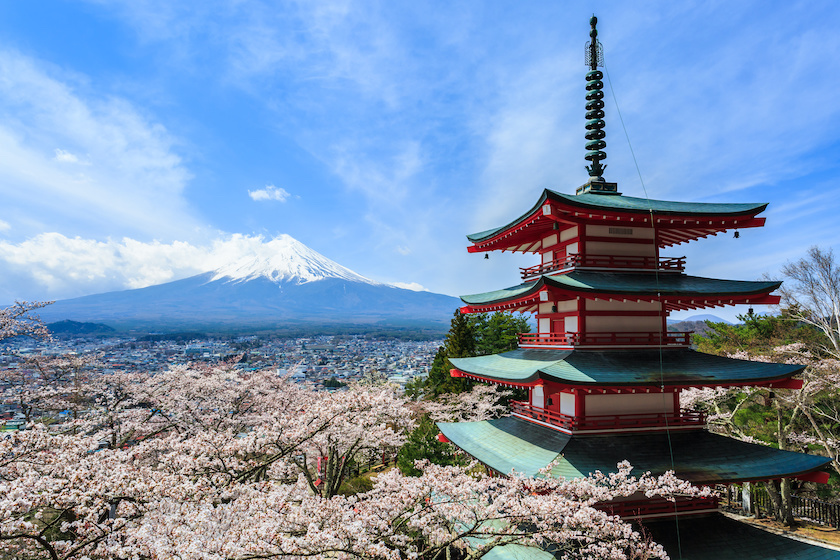
World-Leading Food and Dining
Japan's food culture is unlike anything else in the world — and the Michelin Guide has been reflecting that fact since it first arrived in Tokyo in 2007. As of 2026, Tokyo has 194 Michelin-starred restaurants — more than any other city on the planet — holding a combined 251 stars. Paris, which comes in second, has 123 restaurants and 160 stars. Remarkably, it's not just Tokyo: Kyoto and Osaka also feature in the global top five cities for Michelin-starred restaurants, making Japan the only country with three cities in the world's top rankings.
None of this means that eating well in Japan is expensive — quite the opposite. You can eat extraordinarily well in Japan at every price point, from a flawless bowl of ramen for a few hundred yen to a transcendent multi-course kaiseki meal. Japanese cuisine was recognised by UNESCO as an Intangible Cultural Heritage in 2013, and what visitors consistently discover is that the standard isn't confined to destination restaurants — it extends to convenience stores, market stalls, and neighbourhood lunch counters. Food alone is a reason to visit.
Traditional Japanese Experiences You'll Never Forget
As well as Samurai, Sumo, and Geisha, there are certain experiences that are so quintessentially Japanese that they're essential for any visit. From seeing the iconic Mount Fuji with your own eyes to experiencing the bustle and bright lights of Tokyo, there are some things you simply have to do in Japan. High on this list: bathing in a Japanese onsen (hot spring), staying at a traditional Ryokan inn, and eating at an Izakaya restaurant. All three are a key part of Japan's culture and are unmissable for visitors. Read our guides to What You Need to Know About Staying in a Ryokan and Why You Should Visit an Izakaya to find out more.
Don't Forget Your Japan Rail Pass
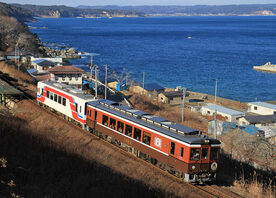
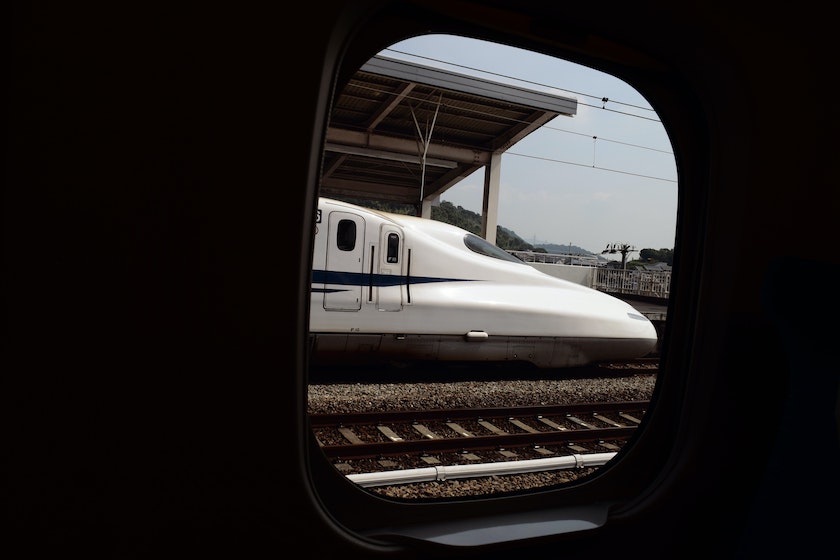
Japan is also famous for having one of the best domestic rail networks in the world. From lightning-fast Shinkansen bullet trains to scenic railways through beautiful valleys and alongside stunning coastlines, this network of trains is fast, efficient, and genuinely cost-effective. It's simply the best way to get around Japan, and the Japan Rail Pass is the one ticket you need to navigate almost all of it. Why is it so useful? Read Is The Japan Rail Pass Worth It? for everything you need to know. You can also find more helpful information in our Visitor's Guide to Japan's Railways and Trains.
Japan on a Budget: The Value Factor
One of the most significant — and most talked-about — changes to Japan travel in recent years is how extraordinarily good value it has become for international visitors. The weak yen has made Japan more affordable in real terms than it has been in a generation, meaning that the experiences that once felt out of reach — a night in a beautiful ryokan, a meal at a celebrated restaurant, a premium Shinkansen journey — are suddenly within reach of a much wider range of travellers.
In 2019, the exchange rate was around ¥110 to the US dollar. In 2024, the yen continued to weaken, reaching levels of ¥140–¥160 to the dollar, making Japan's famous food, service, and other attractions a relative bargain for visitors. For European, Australian, and American travellers in particular, the impact is substantial — your budget stretches meaningfully further than it would have just a few years ago.
This doesn't mean Japan is cheap in every sense. Some experiences remain premium-priced, and popular destinations like Kyoto have introduced or increased accommodation taxes as tourism demand has grown. But it does mean that the cost barrier that once made Japan feel like a once-in-a-lifetime stretch for many travellers has lowered significantly. Visiting Japan well — not just adequately — has become more accessible than it's ever been.
Read our guide to 10 Amazing Things You Can Do For Free in Japan for tips on making the most of your budget.
Planning Your Trip to Japan
If this list has whetted your appetite, here are some practical tools and guides to help you get started.
-
First time in Japan? We've put together our Top 10 Tips for First-Time Travellers to Japan — everything you need to know before you land.
-
Don't forget Pocket WiFi. Purchasing a portable WiFi device is highly recommended in Japan — not just for sharing photos, but for maps, transport apps, translation, and navigating the country's extraordinary wealth of things to do. Find out everything you need to know in our Complete Guide to Portable WiFi for Travel in Japan.
-
Need a helping hand on arrival? Try our Meet and Greet service. We'll take care of you from the moment you arrive in Japan — ideal for families, first-time travellers, or anyone who wants a smooth, stress-free start.
-
Budget travel? Read our guide to 10 Amazing Things You Can Do For Free in Japan.
-
Unsure when to go? Japan is remarkable all year round. Read our guide to Japan's Weather and Seasons: Deciding When to Visit.
-
Want to learn more before you go? Check out some of the best Japan Travel YouTube Channels to Follow — a great way to fall even further in love with the country before you arrive.
- Planning your route? Use our JR Fare Calculator to find out which Japan Rail Pass option works best for your itinerary.
Ready to start your Japan adventure? Order your Japan Rail Pass today. While we've only just scratched the surface of what Japan has to offer, the one thing we can say with absolute certainty is this: Japan will exceed your expectations.
Whatever kind of traveller you are, it will give you more than you thought possible.
Frequently Asked Questions (FAQ)
1. Why is Japan so popular with tourists right now?
Japan was named the world's favourite travel destination by the readers of Condé Nast Traveler for the second year in a row in 2024, with Tokyo simultaneously named the world's number one Large City. Japan Travel The combination of outstanding food, rich culture, exceptional safety, extraordinary natural landscapes, and a unique blend of the ancient and the ultramodern make it unlike any other destination. The currently favourable exchange rate for international visitors adds further appeal.
2. How many tourists visited Japan in 2024?
Japan welcomed a record 36.9 million international visitors in 2024 — surpassing the previous record of 31.9 million set in 2019 by over 15%. Total spending by those visitors reached a record ¥8.1 trillion. Travel Voice
3. Is Japan good value for money?
For international visitors, Japan is currently outstanding value. The yen has weakened significantly from around ¥110 to the US dollar in 2019 to ¥140–¥160 range in 2024, making Japan's famous food, service, and other attractions a relative bargain. Nippon.com High-end ryokan stays, exceptional restaurant meals, and premium rail travel are all more accessible in cost terms than they were for most of the past two decades.
4. What is Japan best known for as a travel destination?
Japan is known for an extraordinary breadth of experiences: the ancient temples and shrines of Kyoto and Nara; the neon energy and culinary brilliance of Tokyo and Osaka; the natural drama of Mount Fuji, the Japanese Alps, Hokkaido, and Okinawa; iconic cultural practices from Sumo to the tea ceremony; world-class winter sports; and a food culture so deep and developed that Tokyo alone holds more Michelin stars than any other city on earth.
.png)