Both Kyoto and Nara are famous for being great places to experience the more traditional and historic side of Japan. One smaller city that you may not have heard of that follows this trend is the city of Uji. Nestled between the two popular tourist destinations and surrounded by nature, Uji is mainly known for three things: World Heritage sites, tea and the Tale of Genji. Best of all, it sits right on a JR line, so it's wonderfully easy to reach with your JR Pass. To learn more about this little city with big appeal, read our guide below and you'll discover the best things to do in Uji.
What to Do in Uji
Uji is certainly a small city, but you'd be surprised how much it has to offer those who choose to visit. Much like its two closest neighbours, Kyoto and Nara, the city is best known for its great heritage and history. While there are other reasons to visit Uji, let's first focus on its major religious landmarks and the river that helps define the city.
Byodo-in Temple
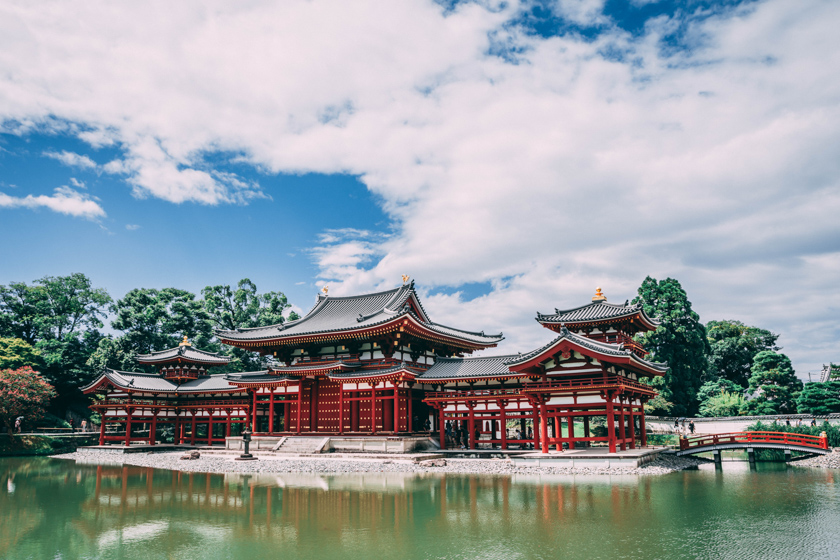
Of the various temples in Uji, one you won't want to miss is the Byodo-in Temple. This historic Buddhist temple dates back to 1053 and is one of two World Heritage components in the city. Byodo-in is celebrated for its elegant Phoenix Hall (Hōō-dō) — so iconic that it appears on one side of the ¥10 coin. Within this deceptively airy hall you'll find a large gilded statue of Amida Buddha. Aside from admiring the Phoenix Hall, make sure to visit the on-site Hōshōkan museum to see its collection of temple treasures. (Admission fees apply, and the Phoenix Hall interior is entered on timed tours — check the temple's official site for current prices and times.)
Ujigami Shrine
Over on the Shinto side of things, the most important place of worship is Ujigami Shrine. Like Byodo-in, this shrine is part of the Historic Monuments of Ancient Kyoto recognised by UNESCO. The shrine isn't particularly large, but it's steeped in history: its main hall is believed to date to around 1060, making it one of the oldest surviving Shinto shrine buildings in Japan. It's just a short walk across the river from Byodo-in.
Mimurotoji Temple
Next, the so-called "Flower Temple" of Mimurotoji, hidden away up in the hills. Mimurotoji earns its affectionate nickname thanks to the vibrant gardens across its expansive grounds, which always seem to be in bloom whatever the season. Among the greenery you'll find hydrangea, rhododendron, azaleas and cherry blossom, along with several halls, a pagoda and statues of deities.
Manpuku-ji Temple
A fair bit further from the city centre to the north, you'll find another of Uji's best sights: Manpuku-ji Temple, also known as Ōbaku-san Manpuku-ji. This is a Zen temple with a strong Chinese influence. Built later than the others, in 1661 by a Chinese monk, it is the head temple of the Japanese Ōbaku Zen sect and renowned for the Chinese-style vegetarian cuisine (fucha ryori) it prepares. After the other temples in Uji, Ōbaku-san makes a lovely contrast. It's most easily reached on foot from Ōbaku Station.
Uji River and Uji Bridge
Carving through the city is the Uji River, one of the most beautiful spots in town. There's plenty of nature on display as you look towards the surrounding forested hills, especially pretty in spring and autumn. Spanning the river is the Uji Bridge, first built in the 7th century and long celebrated in Japanese poetry and literature. To really relax, take a ride on one of the traditional boats used here for ukai (cormorant fishing), a centuries-old technique demonstrated on summer evenings (seasonal — check current schedules).
The Tale of Genji
Did you know that what's often called the world's first novel is a Japanese tale from the 11th century? The Tale of Genji, written by the noblewoman Murasaki Shikibu, recounts the romances and adventures of a prince. Uji is the setting for the final ten chapters of the novel — a fact the city is still very proud of.
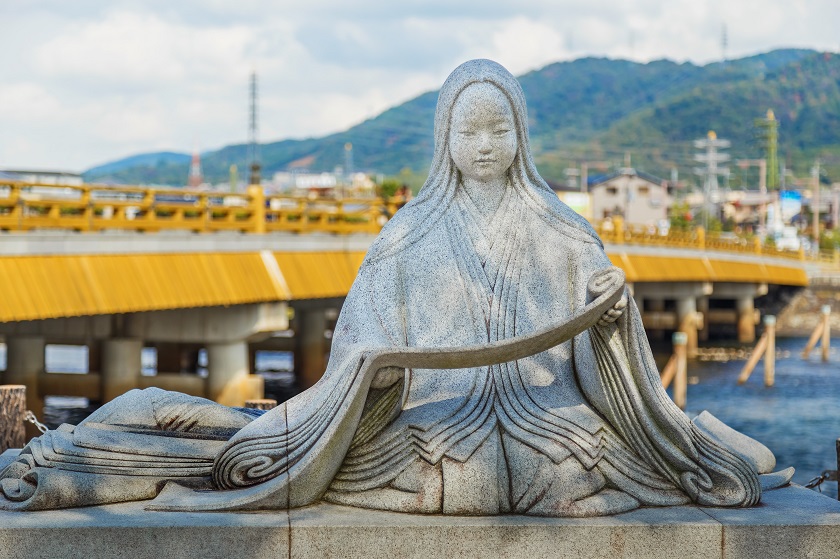
No surprise, then, that there are landmarks around Uji commemorating that connection. One is a statue of Murasaki Shikibu, just by the Uji Bridge. The city is also home to the Tale of Genji Museum, whose exhibits recreate what life was like during the period the novel is set. All of this makes Uji an essential stop if you're going on a literary tour of Japan.
Green Tea in Uji
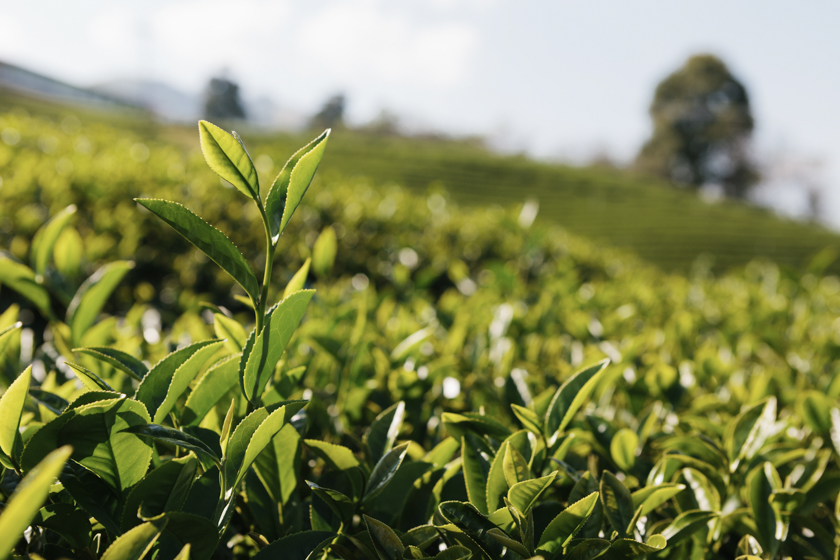
Drinking green tea is woven into everyday life in Japan, being both a hugely popular beverage and part of many customs and traditions. Uji and its surrounding region have long had a reputation for superior tea, and it was one of the first places in Japan to properly take up the practice from China. Uji matcha is prized across the country.
While in the city, the best way to experience tea is by visiting one of its tea houses — many line the approach to Byodo-in (the Byōdō-in Omotesandō). You'll also find Uji tea in local restaurants and shops, and matcha-flavoured treats such as ice cream are everywhere. At certain venues, like the Taihōan tea house, you can even take part in a traditional Japanese tea ceremony.
When to Visit Uji
Because of its position between Kyoto and Nara, Uji couldn't be easier to slot into your itinerary. Just as spring and autumn are the best times to visit its neighbours, so too are they ideal for Uji: April, May and October each offer comfortable weather along with the spectacular colours of spring blossom and autumn leaves. As for other times of year, expect summer to be hot and humid, and winter to be relatively chilly.
Getting to Uji with the Japan Rail Pass
Reaching Uji with a Japan Rail Pass is easier than you might expect, because it sits right on the JR network.
From Kyoto: take the JR Nara Line from Kyoto Station to JR Uji Station — around 20 minutes on a rapid service, or about 30 minutes on a local. It's fully covered by the JR Pass, and from JR Uji Station it's roughly a 10–15 minute walk to Byodo-in.
From Osaka: take the JR Kyoto Line from Osaka (or Shin-Osaka) to Kyoto Station, then transfer to the JR Nara Line.
From Tokyo: take the Tōkaidō–Sanyō Shinkansen to Kyoto (the Hikari is covered by the pass; the faster Nozomi requires a supplement), then change to the JR Nara Line. Allow around three hours in total.
Handily, the same JR Nara Line also serves Fushimi Inari (Inari Station) and continues to Nara, so Uji combines easily with either for a full day out. Do note that a private line, the Keihan Uji Line, also serves Uji (arriving at a separate Keihan Uji Station north of the river), but the JR Pass does not cover it, so JR Pass holders should use the JR Nara Line. The town's central sights cluster near JR Uji Station and are walkable; local buses reach the more outlying temples such as Mimurotoji.
To plan connections and check whether a pass or a regional alternative is best value, try our JR Fare Calculator, and stay connected on the day with a Pocket WiFi device.
FAQs
1. Is Uji covered by the Japan Rail Pass?
Yes. Uji sits on the JR Nara Line, so the trip from Kyoto Station to JR Uji Station (around 20–30 minutes) is fully covered by the JR Pass. Only the separate, private Keihan Uji Line is not covered.
2. How do you get to Uji from Kyoto?
Take the JR Nara Line from Kyoto Station to JR Uji Station — about 20 minutes by rapid train or 30 minutes by local. From the station it's a 10–15 minute walk to Byodo-in and the town centre.
3. What is Uji famous for?
Uji is best known for three things: its UNESCO World Heritage sites (especially Byodo-in, whose Phoenix Hall features on the ¥10 coin), its high-quality green tea and matcha, and its connection to The Tale of Genji, whose final chapters are set here.
4. Can you visit Uji as a day trip from Kyoto?
Absolutely. Uji makes an easy half-day or day trip from Kyoto, and because it's on the JR Nara Line you can combine it with Fushimi Inari or Nara on the same line.
5. What is there to do in Uji?
Highlights include Byodo-in Temple, Ujigami Shrine, the tea houses near Byodo-in, the Tale of Genji Museum, walks along the Uji River, and the outlying Mimurotoji and Manpuku-ji temples.
Daniel-San, is a household name at JRPass.com. Daniel-san has shared his rich travel experience for nearly 10 years on the community forum. Ask him for anything related to travel in Japan!


 English
 Español
 Français
 Italiano
 Nederlands
 Português
 日本語
日本語 한국어
한국어 简体中文
简体中文 繁體中文
繁體中文


.png)