English
 Deutsch
 Español
 Italiano
 Nederlands
 Português
 日本語
日本語 한국어
한국어 简体中文
简体中文 繁體中文
繁體中文
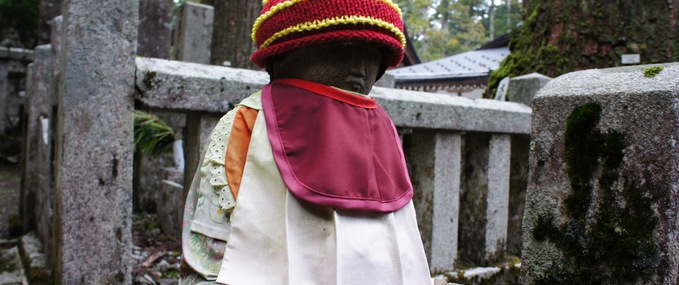


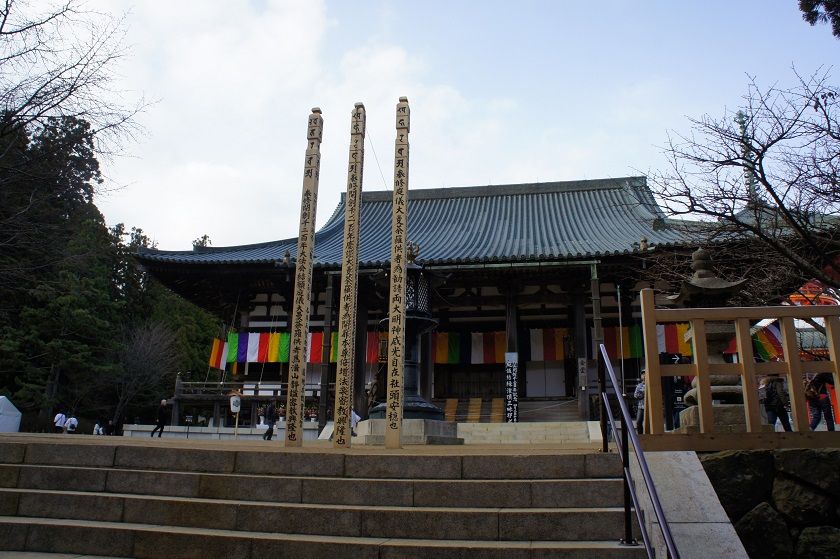
Koya-san (Mount Kōya) is the home of the Shingon school of Buddhism in Japan, whose founder, Kūkai — known posthumously as Kōbō Daishi — established its main temple complex on the mountaintop in the 9th century (819 AD). Since then a sheltered temple town has grown up around it, tucked into the forests of Wakayama Prefecture, south of Osaka. Today Koya-san is best known for shukubo, or temple lodging, where visitors take part in the daily life of a monk: eating shojin ryori (the vegetarian monk's cuisine, made mostly of local vegetables), attending the morning prayers, and seeing parts of the temple otherwise closed to visitors. More than 100 temples offer shukubo, and the experience varies from temple to temple.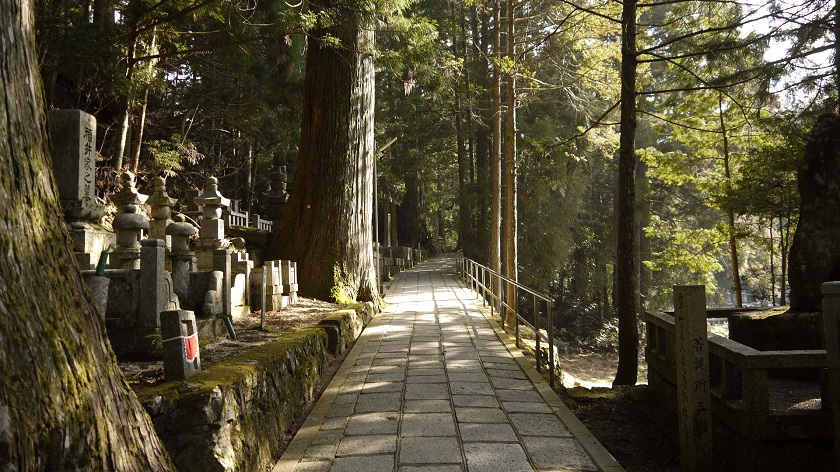
What to do at Koya-san
Even if you don't stay overnight, Koya-san has plenty to offer on a day visit from Kyoto or Osaka. Many temples are open to visitors during the day, the most famous being Okunoin, the mausoleum of Kōbō Daishi and one of the most revered sites in Japanese Buddhism. The traditional entrance is marked by Ichinohashi Bridge, where it is customary to bow as a token of respect before entering. From here, a path winds through the largest cemetery in Japan — an estimated 200,000+ tombs — where influential monks, feudal lords and the wealthy have long chosen to be laid to rest close to Kōbō Daishi, a tradition that continues today. The towering cedars and moss-covered stupas give the whole place a genuinely unique atmosphere.
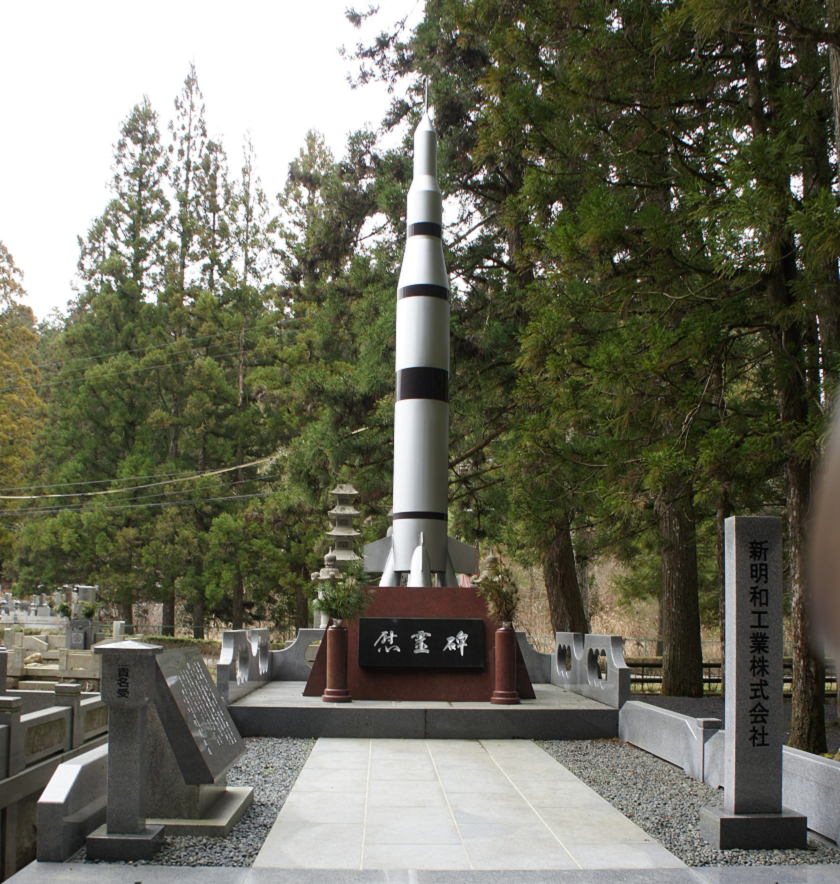
The other essential visit is Kongōbu-ji, the head temple of Kōyasan Shingon Buddhism. You can enter for a fee, view its famous rock garden and screens, and — for those interested — attend sermons or meditation sessions. Afterwards, wander the town: there are many smaller temples and curiosities to discover, including the Tokugawa family mausoleum and, in Okunoin, some famously unconventional memorials among the ancient graves.
Temple stays (shukubo)
A temple stay is the highlight of any trip to Koya-san — the perfect way to escape the pace of the city and find some calm. Some temples even have their own private onsen and Zen garden.
Approximate prices (please verify — see note): temple stays generally start at roughly ¥10,000 per person per night and rise to around ¥30,000 for higher-end lodgings, typically including dinner and breakfast (full pension). More budget-friendly guesthouses also exist on the mountain. Prices have risen in recent years, so confirm current rates when you book — through the Koyasan Shukubo Association or directly with the temple.
Pilgrimage trails and hiking
Koya-san has deep links to two of Japan's great pilgrimage traditions. It is closely tied to the Shikoku 88 Temple Pilgrimage: although the 88 temples themselves are on the island of Shikoku, by long-standing tradition many pilgrims begin or end their journey at Koya-san, visiting Kōbō Daishi's mausoleum at Okunoin to ask his blessing before setting out, or to give thanks on completion. Koya-san is also connected to the Kumano Kodo pilgrimage trails, which extend across the Kii Peninsula.
The full Shikoku pilgrimage is traditionally walked and typically takes around six weeks on foot (anywhere from roughly 30 to 60 days), but you can walk just a section, or explore the side trails for some wonderful hiking. Around Koya-san itself there are beautiful walks: a popular option is to ride the cable car up and make your descent slowly through the day. The more adventurous can hike up to Koya-san on the traditional Chōishi-michi trail — the historic approach to the mountain, clearly marked by stone signposts along the way, though most visitors now take the cable car. For detailed trail information, see the official Shukubo website; walking guides are available for hire.
Getting to Koya-san using the JR Pass
The route to Koya-san is not fully covered by the Japan Rail Pass, because the final stretch runs on the Nankai line — a private railway — plus a cable car and a bus. That said, there are still good savings to be made with the JR Pass, and you can use it for most of the journey.
Koya-san is most easily reached via Osaka. You can use the JR Pass to travel to Shin-Osaka by shinkansen from almost anywhere in Japan — Tokyo, Kyoto, Hiroshima and beyond.
A note on fares: the approximate fares below are indicative only and were not verified as current for 2026 — Nankai fares, the cable car and local buses have all changed over the years. Please confirm current prices on Nankai's official Koyasan site (nankaikoya.jp/en) before you travel. Many visitors buy the Koyasan World Heritage Ticket, a discounted Nankai package covering the round trip from Namba plus the cable car and local buses; check Nankai's site for its current price and coverage.
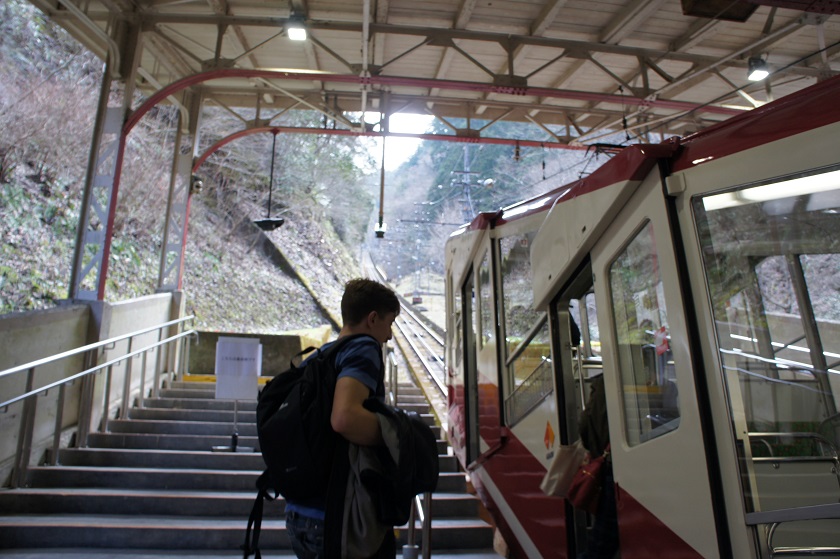
The fast route. From Shin-Osaka, take the Midosuji subway to Namba (~¥280, approx.), then walk 5–10 minutes to Nankai Namba station. From there, take the Nankai line to Gokurakubashi at the foot of the mountain — the limited-express service is quicker, the local service a little slower and cheaper — then ride the cable car up to Koya-san. Allow roughly two hours in total.
The economic route (best JR Pass value). Use JR trains — for comfort, the Ltd. Exp. Kuroshio from Shin-Osaka to Wakayama, then the local JR Wakayama line to Hashimoto — and switch to a local Nankai train from Hashimoto up to Koya-san. Because the JR Pass covers you as far as Hashimoto, only the short final Nankai leg (plus the cable car) is paid separately. This route takes longer overall but keeps the out-of-pocket fare low.
Once you reach the top, buses run from the cable-car station into the town. Walking the connecting road is prohibited, so the bus is mandatory. A one-day bus pass is available and includes discounts at various attractions (confirm the current price via Rinkan bus).
A final word from our experts
Keep an eye on temple opening times and timetables. Most attractions are open roughly 09:00–17:00, and after around 19:00 the cable car and Nankai services back to Osaka are greatly reduced — check the current Nankai Koya timetable before you set off. And it goes without saying: please be respectful at all times, as Koya-san is a sacred place.
Once the day-trippers have left in the early evening, Koya-san grows quiet and the mood shifts completely. If you stay the night, walk the graveyard path up to Okunoin after dark — it's a surreal experience. Photographers should wake early: at dawn you'll have the place almost to yourself, and the light through the cedars is unforgettable.
FAQs
1. Is Koya-san covered by the Japan Rail Pass?
Not entirely. The JR Pass covers the journey as far as Hashimoto station (for example via JR to Wakayama, then the JR Wakayama line). The final leg to Koya-san runs on the private Nankai line plus a cable car and bus, which the pass does not cover, though these are relatively inexpensive.
2. How do you get to Koya-san from Osaka?
The fastest way is the Nankai line from Namba (central Osaka) to Gokurakubashi, then the cable car up the mountain, taking roughly two hours. JR Pass holders can save money by taking JR trains to Hashimoto first and joining the Nankai line there. Confirm current fares with Nankai before travelling.
3. Can you visit Koya-san as a day trip?
Yes. Many travellers visit Koya-san as a day trip from Kyoto or Osaka to see Okunoin and Kongōbu-ji. However, an overnight temple stay is highly recommended, as the town is at its most atmospheric in the evening and early morning.
4. What is a temple stay (shukubo)?
A shukubo is an overnight stay in a Buddhist temple. Guests typically eat shojin ryori (vegetarian monk's cuisine), can join the morning prayers, and experience monastic life. Prices vary by temple; confirm current rates when booking.
5. Is Koya-san part of the Shikoku 88 Temple Pilgrimage?
Koya-san is not one of the 88 temples, which are all on the island of Shikoku. But it is deeply connected to the pilgrimage: by tradition, many pilgrims begin or end their journey at Koya-san by visiting Kōbō Daishi's mausoleum at Okunoin.
.png)