Preparing to travel to Japan can seem intimidating. In the bustle of getting an airline ticket, packing your baggage, and ordering your Japan Rail Pass, it can be easy to overlook certain aspects of your impending visit. As a result, many visitors to the country make a number of mistakes that can cause serious damage to the relationships between them and those they visit.
When you visit a host household in Japan, you may be given a set of guidelines to follow. Whether or not this is the case for you, you should know that there are rules of Japanese etiquette that all visitors to Japan are expected to follow. This guide will provide context and actionable advice for the most important aspects to remember.
Footwear Etiquette
Japanese norms prohibiting wearing shoes while in certain indoor areas are fairly widely known. There are also some common-sense guidelines to follow — if you see tatami mats on the floor, you should remove your shoes, for example. But what exactly is proper etiquette regarding footwear when visiting a Japanese home?
While many restaurants, stores, and other facilities allow shoes indoors, you should remove your shoes when entering a person’s private home. Even if you are dressed in Japanese business attire, it is proper etiquette to remove your shoes when entering a person’s home.
You shouldn’t kick off your footwear as you might when you get home from a busy day; instead, take them off gracefully. If your host has communal slippers available, use them. If you have concerns about cleanliness, keep in mind that Japanese culture places a high value on hygiene. Communal slippers are typically cleaned frequently.
You will likely spot the rest of the household’s shoes in the “genkan” — a traditional Japanese entryway area. You’ll want to place your shoes neatly alongside the others.
Japanese Genkan
In most Japanese residences and old-fashioned businesses, people place their shoes in the entryway of the building. This area, as noted above, is called the “genkan.” This small area can vary in size, though it is usually proportional to the living area; larger homes can have relatively large genkans, while those in apartments sometimes barely have enough space to hold the household’s footwear. It is generally lower than the rest of the house, though this is not always the case.
Regardless of the specifics, this area is intended to be a clean and orderly place to change footwear and avoid bringing dirt into the living area. Representing the gateway between the outside world and the intimacy of domestic life, the genkan can tell you a lot about the home. It is often elaborately decorated with flowers or ornaments to give visitors a glimpse into the affluence and style of the household.
Entering a traditional Japanese vestibule is an elaborate process. With a traditional genkan, visitors are expected to stand on the concrete floor outside (called a tataki) and wait for a response from someone inside to answer them. Visitors should aspire to look their best, avoiding unprofessional dress and showing off tattoos, as tattoos have highly negative connotations in Japanese culture. They are then greeted and invited to enter from the decorative entranceway (the yoritsuki). Then the visitor can remove their shoes and leave them in this area. Only then can they put on communal slippers (if available) and enter.
Most modern Japanese households have relaxed these strict rules, though removing your shoes is still mandatory.
Omiyage and Temiyage
Take a look at practically any Japanese airport, train station, or tourist shop, and you’ll inevitably spot some pre-wrapped gifts. These are commonly snacks or treats, though other small gifts — like candles, soaps, cosmetics, or small items of clothing — aren’t uncommon. These gifts are a part of Japanese culture known as “omiyage” or “temiyage,” depending on the context:
- The term “omiyage” is commonly translated as “souvenir” or “gift,” but the kanji can be translated more directly to “earth (土) product (産)” or “local delivery.” These gifts are intended as souvenirs for travelers to bring back home to family, friends, and coworkers to demonstrate one’s thoughtfulness to other people in their lives.
- The term “temiyage” is very similar in meaning, though it includes the kanji for “hand” (手). This is because temiyage is “handed” from guests to those they are visiting. This gift represents thankfulness for what a person has done for you or for what you expect them to do for you. Tourists from outside the country who are visiting a Japanese home will typically give the homeowners temiyage as a sign of thanks.
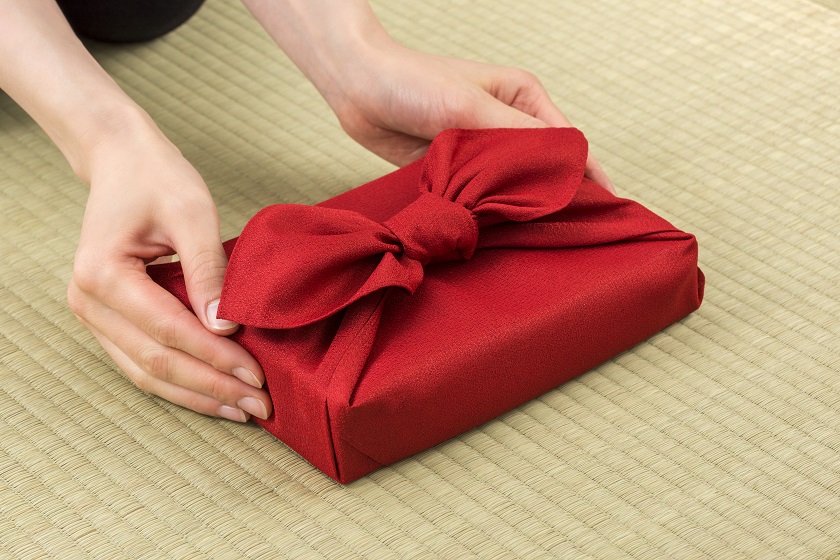
An omiyage is a gift, but note that there are cultural expectations surrounding it. While a souvenir may be bought for oneself, an omiyage is always purchased for others. Further, while bringing home a souvenir for friends and family may be considered a pleasant surprise in other cultures, Japanese people are generally expected to bring omiyage to their loved ones and professional connections. Failing to do so is a major faux pas; indeed, there is a stigma about showing up to a home empty-handed.
A Few Gift-Giving Tips
It's worth knowing that visitors aren't expected to navigate Japan's gift-giving customs flawlessly. As Japanese culture writer Makiko Itoh has pointed out, foreign guests are under no real obligation to dive into the full intricacy of it — there's a well-known leeway extended to visitors, and it's perfectly fine to take it.
That said, if you'd like to delight your hosts with a thoughtful, well-chosen gift, here are a few customs worth keeping in mind:
- It's considered polite to avoid gifts associated with the numbers 4 or 9, and to steer clear of combs, clocks, scissors, or knives, which can carry unlucky or unkind symbolism. A quick read on gift-giving customs in Japan goes a long way.
- Where you can, choose something from a different region than where your hosts live — these gifts are meant to travel.
- Presenting the gift wrapped keeps with tradition; conveniently, most ready-made omiyage already comes beautifully wrapped.
- You can wait until you're indoors to hand over the gift — though flowers are traditionally presented outdoors. (One to remember: it's best to avoid white flowers, which are associated with funerals.)
- When giving a gift to one person, it's nice to offer it privately and with both hands as a sign of respect. Don't be surprised if your host politely declines at first — a gentle insistence is part of the dance.
- For a group, setting the gifts out somewhere communal lets everyone choose what they'd like.
- Finally, modesty is the custom: rather than "you're going to love this!", it's more in keeping to play down the gift a little. As Stella Ting-Toomey notes in Communicating Across Cultures, self-effacement is part of Japanese politeness.
Meal Etiquette
Before looking too deeply into meal etiquette, it’s important to remember that each family may have its own specific rules when it comes to mealtime. The general expectations below will likely be consistent with your host’s expectations, but understand that the household may have more relaxed views on meal etiquette. Practicing proper table manners in Japan is important if you want to make a good impression. To avoid offending others or attracting unwanted attention to yourself, follow these Japanese meal etiquette tips:
- The host traditionally makes the toast at the beginning of the meal. If you are an honored guest, it is good form to make a toast after the host. You can also choose to do so at the end of the meal.
- Before eating, you’ll be offered an oshibori — a hot, wet towel used to clean your hands. Be sure to do this before handling any food. You should not use this towel on your face or after eating.
- Traditional Japanese dining involves sitting on a tatami mat on your heels, with your legs tucked under your body. This can be uncomfortable, but you should only adjust your sitting position after you’ve been given permission to relax.
- If you are the honored guest, you will be seated at the middle of the table, on the side farthest from the door.
- Prior to eating or drinking anything, you’re expected to say “itadakimasu,” which translates to “I will humbly receive (this meal).” You’ll then want to wait for your host to begin eating before you do.
- Try to pace your drinking and eating by following the cues of others at the table. Be sure to try everything you are offered, as neglecting to do so can be a sign of disrespect. Avoid leaving anything on your plate.
- After you’re finished eating, you’ll say “gochiso sama deshita,” which translates to “it was a feast!” as a sign of thanks. Be sure to offer to help with the dishes!
This is a basic primer on meal etiquette, but know that there are many intricacies when it comes to specifics. There are lengthy guides on the intricacies of chopstick usage. In particular, Japanese tea ceremonies are rigidly structured, involving many traditional steps to follow.
But you shouldn’t lose sleep over a desire to learn everything there is to know about Japanese etiquette. Don’t expect to get everything right on your first attempt. The host household will notice and appreciate your effort, which can go a long way toward earning their friendship and respect.
General Japanese Etiquette
Removing your shoes at the genkan, presenting an appropriate gift, and being respectful during meals is a great way to make a good first impression, but there is more to learn before you’re ready to visit a Japanese home. In addition to the above guidelines, there are some miscellaneous general home etiquette tips to follow during key situations:
-
Greeting Your Host: It’s integral that you arrive on time. Being late is a major social faux pas; in fact, some argue that Japan is obsessed with punctuality. When you arrive, greet your host and say “ojamashimasu.” This translates to “excuse me for disturbing you.” Remember that self-effacement is a cornerstone to politeness in Japanese culture. This sentiment demonstrates that you are aware of and thankful for the effort the host has gone through to welcome you into their home.
-
In Living Areas: Until you learn where the household prefers to sit, remain standing until you are told where to sit. Failing to do so could result in you taking someone else’s favorite chair, which could be considered disrespectful. Always strive to show respect, and don’t overstay your welcome.
- Phone and Laptop Use: While mobile high-speed internet is affordable and accessible in Japan, try to remain attentive to members of the household. Playing with mobile devices for an extended period of time may be construed as disrespectful. Avoid distracting yourself and try to engage with others.
Be Mindful of Any Other Home Etiquette Protocols: Each household is unique. Your host may set specific rules — whether expressly stated or implied — that you should endeavor to follow. If you are told that alcohol or loud music are not permitted, for example, be sure to adhere to that rule. If family members generally clear the communal living area at a certain time at night, follow suit.
.png)